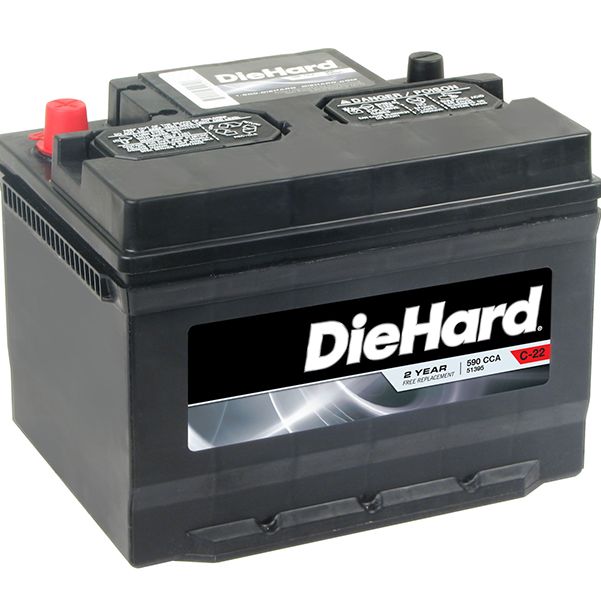
Image source: https://s.shld.net/is/image/Sears/kc%2Dflooded%20cell%20battery
Like any battery, a car batterys performance declines as it ages, and as time passes by, the car battery gradually loses its ability to hold a charge. As an automobile owner, you will have to replace the cars battery once or twice during the vehicles service life, depending on how long youre planning to keep the car around. If youre the sort to buy a new car every few years, then it is entirely possible that you may not even encounter this problem at all. If you cannot bear to part with your car, however, then sooner rather than later you will have to replace the car battery.
Your car battery just died, and no amount of jump starting with a car battery charger can bring it back to life. The time has come for you to buy a new car battery. Batteries have changed a lot in the last few decades, and shopping for a new car battery today can be exhausting and infuriating, especially for the novice car owner. There are a lot of car battery options available, each with their own advantages and disadvantages.
There a lot of factors a buyer has to consider when looking for a new car battery. What is the type and make of the automobile? What size of battery do you need? You also have to consider features like the reserve capacity and cold cranking amps.
Looking for the right car battery is not as simple as typing the keywords on the search bar. Do that, and you will only be overwhelmed by the options on the screen. Do I choose this or that? Whats the difference between the two? Can my car run on this battery? Can I jump start it with a car battery charger?
First things first
Before jumping into the proverbial pool, you first need to collect a few pieces of important information about your vehicle and driving habits. Information like: your vehicles make, model and year, your normal driving habit (do you drive slow and steady or are you prone to sudden bursts of speed), vehicle usage (city driving or off-road), and the place you live (hot or cold). Knowing these tidbits will go a long way in choosing the right battery for you and your vehicle. Here are some of the factors you will have to consider.
Battery size
Just as cars come in many sizes, from small hatchbacks and sedans to giant SUVs and pickup trucks, car battery are also available in a variety of designs. For instance, Group 35 car batteries fit most Japanese-made cars, Group 65 car batteries are used for the larger models and trucks, and Group 75 car batteries are used by American midsized models.
Consult the vehicles manual to determine which battery size is most appropriate for the model. Too big a battery, and it may not fit into the compartment, while too small and the battery might provide enough electricity to power the vehicles different components.
Driving habits
How you drive and use your vehicle directly influences the performance and lifespan of your battery. Take this opportunity to select a battery which best fits your driving habits and style.
If you live in the city, and frequently use your car for brief trips (i.e. 45 minutes and shorter), then choose a car battery with a long service life. Short trips leave little time for the alternator to charge the battery. If you go on short drives a lot, your batterys charge will slowly dwindle into nothing.
If you go on frequent off-road (unpaved roads) trips, choose a battery with a solid construction and sturdy casing to prevent lead plate failure. Normal batteries are not suitable for the tumbling and the rocking a car undergoes when driving off paved roads.
What you know about car maintenance should also influence your battery selection. If you know next to nothing about automobile maintenance, then choose a battery thats relatively maintenance-free. These types of batteries are more expensive, but you dont have to look under the hood as much.
Climate
Where you live is an important factor to consider when choosing a car battery. If you live in warmer climates, or in a place with variable weather patterns with lots of temperature increases, then choose a car battery life with a durable construction and long service life. The temperature fluctuations and increased heat and humidity can speed up the batterys deterioration.
For drivers who live in colder climates, focus on the car batterys cold cranking amp (CCA) measurement. The CCA measures the batterys cranking amps at temperatures 0 degrees Celsius and colder. Consult the vehicles manual for the recommended CCA measurement, then choose a battery that is at least 100 amps higher.


